Digital Marketing: The Complete Beginner’s Guide (2026)

Introduction

Digital marketing is one of the fastest-growing industries in the world. As more businesses move online, the demand for skilled digital marketers continues to rise. Whether you own a small business, run an e-commerce store, or want to build a successful career, digital marketing helps you connect with customers, increase sales, and grow your brand.

Unlike traditional marketing, digital marketing uses the internet and digital channels to promote products and services. This allows businesses to reach the right audience at the right time while measuring the effectiveness of every campaign.

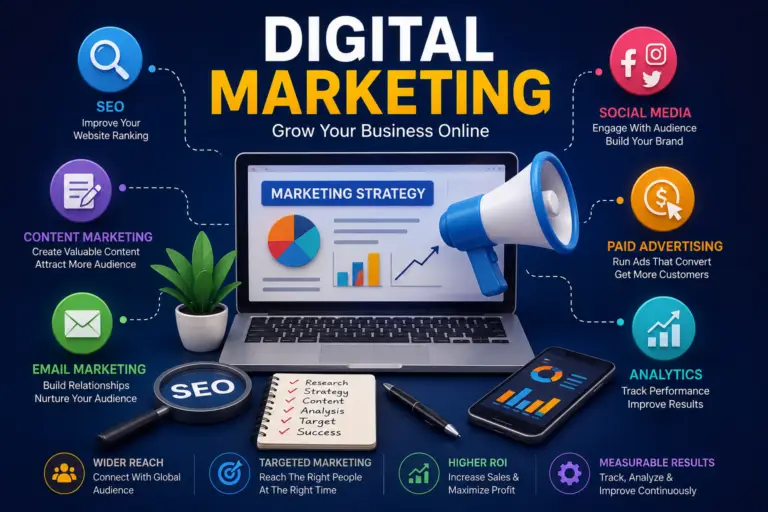
digital marketing

What Is Digital Marketing?

Digital marketing is the practice of promoting products, services, or brands using online platforms such as search engines, social media, websites, email, and mobile apps.

Its primary goals are to:

  • Increase brand awareness
  • Generate leads
  • Drive website traffic
  • Improve customer engagement
  • Increase online sales
  • Build long-term customer relationships

Today, businesses of every size—from local shops to global companies—use digital marketing to reach millions of potential customers.

Why Is Digital Marketing Important?

Digital marketing offers several advantages over traditional advertising:

  • Lower marketing costs
  • Reach customers worldwide
  • Target specific audiences
  • Measure campaign performance in real time
  • Improve customer engagement
  • Increase return on investment (ROI)
  • Build trust through valuable content

Businesses that invest in digital marketing often gain a competitive advantage in their industry.

Main Types of Digital Marketing

1. Search Engine Optimisation (SEO)

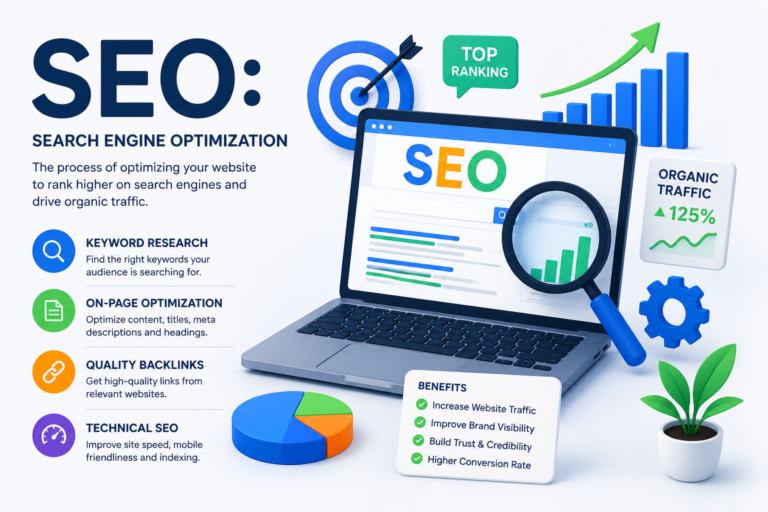
SEO helps websites rank higher on search engines like Google. Higher rankings lead to more organic traffic without paying for advertisements.

SEO includes:

  • Keyword research
  • On-page SEO
  • Technical SEO
  • Link building
  • High-quality content creation

2. Content Marketing

Content marketing focuses on creating valuable and helpful content to attract customers.

Popular content formats include:

  • Blog posts
  • Videos
  • Infographics
  • E-books
  • Tutorials
  • Case studies

Quality content builds trust and encourages visitors to become customers.

3. Social Media Marketing

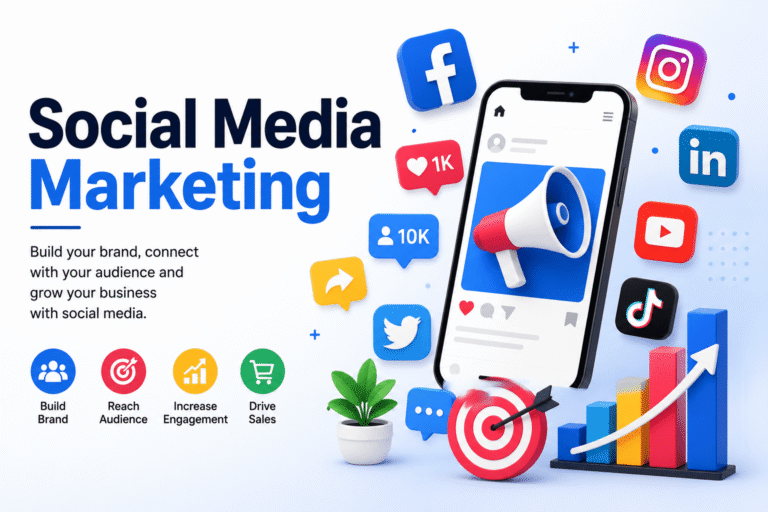
Businesses use social media platforms to promote products, communicate with customers, and build communities.

Popular platforms include:

  • Facebook
  • Instagram
  • LinkedIn
  • TikTok
  • Pinterest
  • X (formerly Twitter)

Effective social media marketing combines engaging content with consistent interaction.

4. Email Marketing

Email marketing remains one of the highest-performing digital marketing strategies.

Businesses send emails to:

  • Welcome new customers
  • Share promotions
  • Launch products
  • Offer discounts
  • Send newsletters

Personalised emails often achieve better engagement and conversion rates.

5. Pay-Per-Click (PPC) Advertising

PPC advertising allows businesses to display paid advertisements on search engines and social media platforms.

Examples include:

  • Google Ads
  • Facebook Ads
  • Instagram Ads
  • LinkedIn Ads

Businesses pay only when users click on their advertisements.

6. Affiliate Marketing

Affiliate marketing allows individuals or companies to earn a commission by promoting another company’s products or services.

This model is widely used by bloggers, YouTubers, and influencers.

7. Influencer Marketing

Brands collaborate with content creators who have loyal audiences to promote products naturally.

Influencer marketing is especially effective for fashion, beauty, technology, fitness, and lifestyle businesses.

Essential Digital Marketing Skills

Successful digital marketers often develop skills in:

  • SEO
  • Content writing
  • Graphic design
  • Video editing
  • Social media management
  • Google Ads
  • Facebook Ads
  • Email marketing
  • Analytics
  • Copywriting

Learning these skills can open doors to freelance work, agency roles, or running your own business.

Benefits of Learning Digital Marketing

Digital marketing is a valuable skill because it offers:

  • High demand worldwide
  • Remote work opportunities
  • Freelancing potential
  • Business growth
  • Flexible career options
  • Continuous learning
  • Good earning potential

Many professionals use digital marketing to build successful online businesses and personal brands.

Common Digital Marketing Mistakes

Avoid these common mistakes:

  • Ignoring SEO
  • Posting inconsistent content
  • Not understanding your audience
  • Focusing only on selling
  • Ignoring website speed
  • Not analysing campaign results
  • Using poor-quality images or videos

Learning from these mistakes can improve your marketing results over time.

Future of Digital Marketing

Digital marketing continues to evolve with new technologies and changing customer behaviour.

Important trends include:

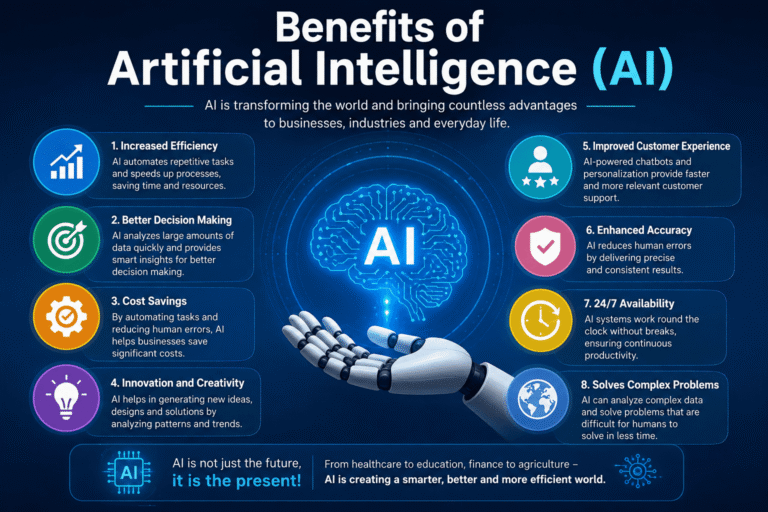
  • Artificial Intelligence (AI)
  • Voice search optimisation
  • Video marketing
  • Short-form content
  • Personalised marketing
  • Marketing automation
  • Data-driven decision making

Businesses that adapt to these trends are more likely to remain competitive.


Conclusion

Digital marketing has become an essential part of modern business. Whether you want to grow a company, start freelancing, or build an online brand, learning digital marketing can provide valuable opportunities.

Success takes time, consistent learning, and practical experience. By understanding SEO, content marketing, social media, email marketing, and paid advertising, you can create effective campaigns that reach the right audience and deliver measurable results.


Frequently Asked Questions (FAQs)

1. What is digital marketing?

Digital marketing is the promotion of products or services through online channels such as search engines, social media, websites, and email.

2. Is digital marketing a good career in 2026?

Yes. Digital marketing remains one of the fastest-growing career fields, with opportunities in agencies, businesses, freelancing, and entrepreneurship.

3. How long does it take to learn digital marketing?

You can learn the basics in 2–3 months, while becoming proficient usually takes 6–12 months of consistent practice.

4. Do I need a degree to become a digital marketer?

No. Many successful digital marketers build their skills through online courses, certifications, and practical experience.

5. Which digital marketing skill should beginners learn first?

Search Engine Optimisation (SEO) and content marketing are excellent starting points because they provide a strong foundation for other digital marketing strategies.

6. Can I earn money through digital marketing?

Yes. You can earn through freelancing, agency work, affiliate marketing, consulting, managing client campaigns, or growing your own online business.

7. What are the most popular digital marketing channels?

The most popular channels include SEO, Google Ads, social media marketing, email marketing, content marketing, and video marketing.

8. What tools do digital marketers commonly use?

Popular tools include Google Analytics, Google Search Console, Google Ads, Canva, WordPress, Meta Ads Manager, SEMrush, Ahrefs, and Mailchimp.

9. Is SEO part of digital marketing?

Yes. SEO is one of the most important components of digital marketing because it helps websites attract organic traffic from search engines.

10. Can small businesses benefit from digital marketing?

Absolutely. Digital marketing allows small businesses to reach targeted customers, build brand awareness, and compete effectively without requiring a large advertising budget.

Leave a Reply

E-Commerce: The Complete Guide to Online Business in 2026

Meta Title: What is E-Commerce? Complete Guide to Online Business in 2026

Meta Description: Learn everything about e-commerce, including its types, benefits, challenges, business models, trends, and how to start a successful online store in 2026.

what is ecommerce

What is E-Commerce?

E-commerce (Electronic Commerce) is the process of buying and selling products or services over the internet. It allows businesses and consumers to complete transactions online without visiting a physical store.

Today, millions of people shop online every day using websites, mobile apps, and online marketplaces. From clothing and electronics to digital products and online courses, almost everything can be bought and sold online.

The global e-commerce industry continues to grow rapidly due to faster internet, secure payment systems, smartphones, and changing customer shopping habits.


Table of Contents

  1. What is E-Commerce?
  2. History of E-Commerce
  3. How Does E-Commerce Work?
  4. Types of E-Commerce
  5. Popular E-Commerce Business Models
  6. Advantages of E-Commerce
  7. Disadvantages of E-Commerce
  8. Essential Features of an E-Commerce Website
  9. Popular E-Commerce Platforms
  10. Payment Methods
  11. Shipping and Fulfilment
  12. Digital Marketing for E-Commerce
  13. SEO for E-Commerce Websites
  14. Latest E-Commerce Trends in 2026
  15. How to Start an E-Commerce Business
  16. Common Mistakes to Avoid
  17. Frequently Asked Questions
  18. Conclusion

History of E-Commerce

The concept of e-commerce started in the 1970s with electronic data interchange (EDI). However, online shopping became popular during the 1990s when companies like Amazon and eBay launched their websites.

Since then, online shopping has transformed into a multi-trillion-dollar industry, serving billions of customers worldwide.


How Does E-Commerce Work?

An e-commerce business follows a simple process:

Step 1: Customer Visits the Website

Customers browse products using categories, search bars, or recommendations.

Step 2: Product Selection

Customers choose products and add them to their shopping cart.

Step 3: Checkout

Customers enter shipping information and select a payment method.

Step 4: Payment Processing

Payment gateways securely process online payments.

Step 5: Order Confirmation

The business receives the order and prepares it for shipment.

Step 6: Shipping

The product is delivered to the customer’s address.

Step 7: Customer Support

Businesses handle returns, refunds, and customer inquiries.


Types of E-Commerce

1. Business to Consumer (B2C)

Businesses sell directly to consumers.

Examples:

  • Online clothing stores
  • Electronics websites
  • Beauty product stores

2. Business to Business (B2B)

Companies sell products or services to other businesses.

Examples:

  • Wholesale suppliers
  • Software companies
  • Manufacturing businesses

3. Consumer to Consumer (C2C)

Individuals sell products to other individuals.

Examples:

  • Used products
  • Handmade crafts
  • Collectibles

4. Consumer to Business (C2B)

Individuals provide products or services to businesses.

Examples:

  • Freelancers
  • Photographers
  • Designers

5. Direct-to-Consumer (D2C)

Manufacturers sell directly to customers without retailers.

Examples include many modern clothing, skincare, and electronics brands.


Popular E-Commerce Business Models

Dropshipping

The seller markets products without holding inventory. When an order is placed, the supplier ships the product directly to the customer.

Pros

  • Low investment
  • No inventory management
  • Easy to start

Cons

  • Lower profit margins
  • Shipping delays
  • Less control over quality

Wholesale

Businesses buy products in bulk and sell them individually for profit.


Private Label

Companies source products from manufacturers and sell them under their own brand.


Print on Demand

Custom products such as:

  • T-shirts
  • Mugs
  • Hoodies
  • Phone cases

are printed only after a customer places an order.


Digital Products

Digital downloads include:

  • Planners
  • Templates
  • E-books
  • Courses
  • Printables
  • Digital art
  • Notion templates

These products require no physical shipping.


Advantages of E-Commerce

1. Open 24/7

Customers can shop anytime.

2. Global Reach

Businesses can sell worldwide.

3. Lower Operating Costs

Less expensive than running physical stores.

4. Better Customer Experience

Customers can compare products, read reviews, and shop from home.

5. Easy Marketing

Businesses can use:

  • SEO
  • Social media
  • Email marketing
  • Paid advertising

to reach customers.

6. Business Automation

Inventory, payments, customer emails, and order tracking can all be automated.


Disadvantages of E-Commerce

  • High competition
  • Shipping costs
  • Product returns
  • Cybersecurity risks
  • Dependence on internet access
  • Limited physical product inspection

Essential Features of an E-Commerce Website

A successful online store should include:

  • Responsive design
  • Fast loading speed
  • Secure checkout
  • Product search
  • Product categories
  • Customer reviews
  • Wishlist
  • Shopping cart
  • Order tracking
  • Multiple payment options
  • Mobile-friendly interface
  • SSL security
  • Live chat support

Popular E-Commerce Platforms

Some of the leading e-commerce platforms include:

  • Shopify
  • WooCommerce
  • BigCommerce
  • Magento (Adobe Commerce)
  • Wix eCommerce
  • Squarespace Commerce
  • OpenCart
  • PrestaShop

Each platform offers different features depending on your business size and technical needs.


Payment Methods

Popular online payment methods include:

  • Credit cards
  • Debit cards
  • PayPal
  • Apple Pay
  • Google Pay
  • Bank transfers
  • Buy Now, Pay Later (BNPL)
  • Digital wallets

A secure payment system helps build customer trust.


Shipping and Fulfilment

Shipping is a crucial part of e-commerce success.

Options include:

  • Self-fulfilment
  • Third-party logistics (3PL)
  • Dropshipping
  • Local delivery
  • International shipping

Provide tracking information and estimated delivery times to improve customer satisfaction.


Digital Marketing for E-Commerce

Without marketing, customers may never discover your store.

Effective strategies include:

Search Engine Optimization (SEO)

Improve your website’s visibility on search engines.

Content Marketing

Publish blogs, buying guides, and product comparisons.

Social Media Marketing

Promote products on:

  • Facebook
  • Instagram
  • TikTok
  • Pinterest
  • YouTube

Email Marketing

Send newsletters, promotions, and abandoned cart reminders.

Pay-Per-Click (PPC)

Run paid ads on Google and social media platforms to attract targeted traffic.

Influencer Marketing

Partner with creators who can recommend your products to their audiences.


SEO Tips for E-Commerce Websites

To improve your rankings:

  • Use relevant keywords.
  • Write unique product descriptions.
  • Optimise images with descriptive alt text.
  • Improve page speed.
  • Build quality backlinks.
  • Use internal linking.
  • Optimise meta titles and descriptions.
  • Make your website mobile-friendly.
  • Add product reviews.
  • Use structured data (schema markup).

Latest E-Commerce Trends in 2026

The e-commerce industry continues to evolve. Key trends include:

AI-Powered Shopping

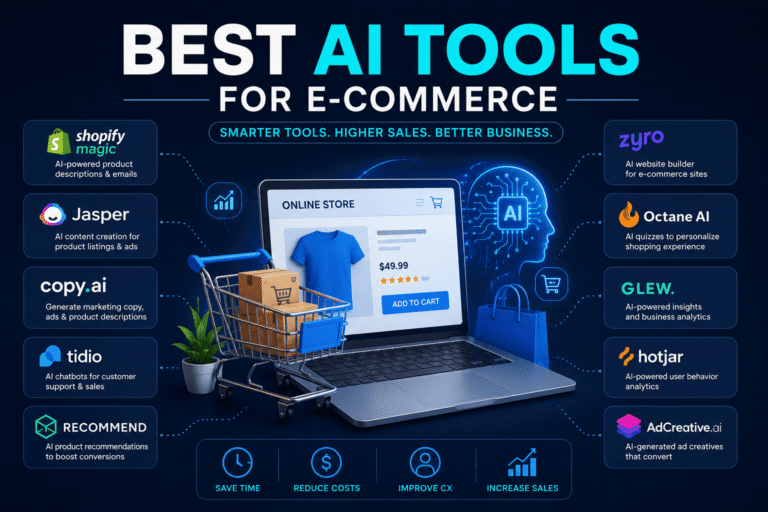
Artificial intelligence offers personalised product recommendations, chatbots, and smarter customer support.

Voice Commerce

Customers can shop using voice assistants and smart devices.

Mobile Commerce

More shoppers now buy directly from their smartphones.

Social Commerce

Consumers increasingly purchase products through social media platforms.

Sustainable Shopping

Customers are paying more attention to eco-friendly products and packaging.

Augmented Reality (AR)

AR lets customers virtually try products before buying, improving confidence and reducing returns.


How to Start an E-Commerce Business

Step 1: Choose a Niche

Select a product category with consistent demand.

Step 2: Research the Market

Study competitors, customer needs, and pricing.

Step 3: Choose Your Business Model

Decide whether you will sell through dropshipping, wholesale, private label, print on demand, or digital products.

Step 4: Create Your Brand

Choose a memorable business name, logo, and brand identity.

Step 5: Build Your Online Store

Use a platform such as WooCommerce or Shopify to create your website.

Step 6: Add Products

Write detailed product descriptions and upload high-quality images.

Step 7: Set Up Payments

Integrate secure payment gateways.

Step 8: Plan Shipping

Choose reliable shipping and fulfilment options.

Step 9: Launch Your Store

Test your website thoroughly before making it live.

Step 10: Promote Your Business

Use SEO, social media, email marketing, and paid advertising to attract customers and grow sales.


Common Mistakes to Avoid

  • Choosing a niche without research
  • Using poor-quality product images
  • Writing duplicate product descriptions
  • Ignoring SEO
  • Slow website performance
  • Poor customer service
  • Complicated checkout process
  • Not optimising for mobile users
  • Failing to collect customer reviews
  • Neglecting data analytics and performance tracking

Frequently Asked Questions (FAQs)

1. What is e-commerce?

E-commerce is the buying and selling of products or services over the internet using websites, mobile apps, or online marketplaces.

2. What are the main types of e-commerce?

The main types are B2C, B2B, C2C, C2B, and D2C.

3. What is the best e-commerce platform for beginners?

WooCommerce is a great option for WordPress users, while Shopify is often chosen for its ease of use and all-in-one hosting.

4. Can I start an e-commerce business with a small budget?

Yes. Business models such as dropshipping, print on demand, and selling digital products can be started with relatively low upfront costs.

5. Which products sell best online?

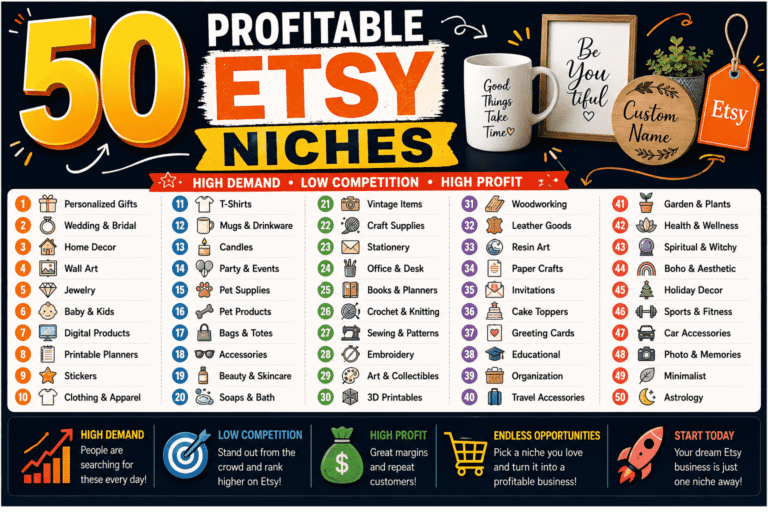
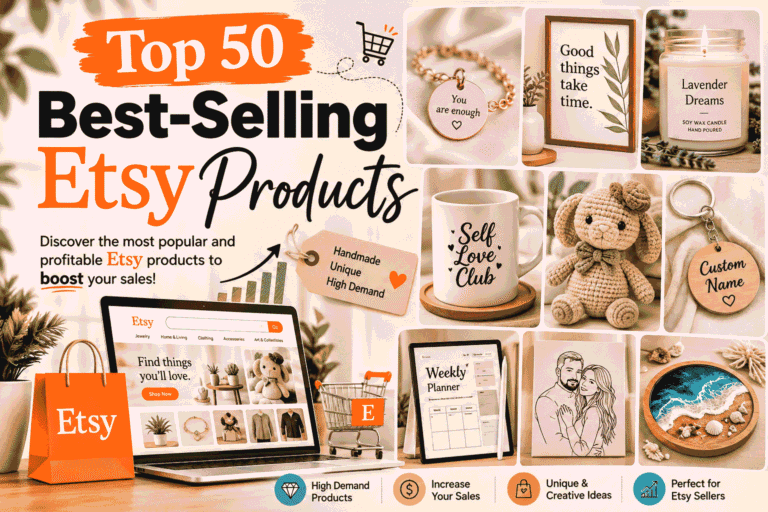
Popular categories include fashion, electronics, beauty products, home décor, pet supplies, fitness equipment, digital downloads, and personalised gifts.

6. How important is SEO for e-commerce?

SEO is essential because it helps your products appear in search engine results, driving free, targeted traffic to your website over time.

7. Is e-commerce profitable in 2026?

Yes. With the right niche, competitive pricing, quality products, and effective marketing, e-commerce remains one of the fastest-growing and most profitable online business opportunities.

8. What payment methods should an online store offer?

Offer multiple secure payment options such as credit/debit cards, digital wallets, and local payment methods to improve customer convenience.


Conclusion

E-commerce has transformed the way people buy and sell products, creating opportunities for entrepreneurs and businesses of all sizes. Whether you choose dropshipping, private label, wholesale, or digital products, success depends on understanding your target audience, selecting the right business model, and delivering a great customer experience.

By investing in a professional website, optimising it for search engines, using effective digital marketing strategies, and staying up to date with industry trends, you can build a sustainable and profitable online business in 2026 and beyond.

Leave a Reply